
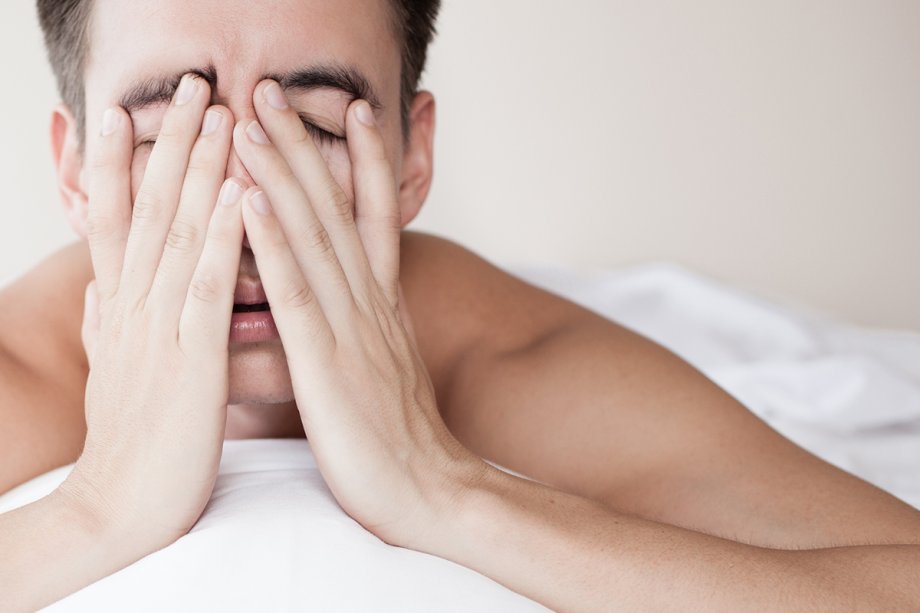
Morning headaches rob you of the energy needed to tackle the day before you even step out of bed. We often dismiss these painful wake-up calls as the result of stress, a bad pillow, or simply "sleeping wrong." Still, a persistent morning headache usually signals an underlying physiological issue. Your body works hard to repair itself during sleep, and pain upon waking suggests that something interrupted this critical restoration process. At San Francisco Dental Wellness, we see countless patients who suffer silently with these symptoms, unaware that the root cause lies within their jaw joints or their airway.
Understanding the connection between oral health and sleep quality changes how we approach treatment. Two primary culprits often trigger these specific headaches: Temporomandibular Joint disorders (TMD/TMJ) and Obstructive Sleep Apnea (OSA). While these conditions appear distinct, they frequently overlap and feed into one another, creating a cycle of poor sleep and chronic pain. We aim to help you decode the signals your body sends so you can stop masking the pain with medication and start treating the source.
The Hidden Tension of TMJ Disorders
Your temporomandibular joints connect your jawbone to your skull, acting as sliding hinges that allow you to talk, chew, and yaw. When these joints or the surrounding muscles function poorly, the resulting tension radiates throughout the head and neck. Many of our patients unknowingly clench or grind their teeth at night—a condition known as sleep bruxism—which places immense pressure on the TMJ. This nocturnal workout for your jaw muscles produces lactic acid and inflammation, leading to dull, aching pain that greets you the moment you wake up.
We look for specific indicators that differentiate TMJ headaches from migraines or tension headaches caused by other factors. The pain typically originates in the temples or behind the eyes and often feels like a tight band wrapping around the head. You might also notice tenderness in the jaw muscles, a clicking sound when you open your mouth, or even restricted movement. Because the jaw muscles connect to the neck and shoulders, untreated TMJ disorders frequently cause referred pain that travels down the cervical spine. Addressing the alignment of your bite and reducing the strain on these joints often eliminates the headache.
Oxygen Deprivation and Sleep Apnea Headaches
Obstructive Sleep Apnea (OSA) causes a terrifying physiological event in which the airway collapses during sleep, cutting off oxygen to the brain. Your brain registers this lack of oxygen as a life-threatening emergency. It jolts the body awake—often just enough to restore breathing, but not sufficient for you to remember waking up. This cycle can repeat hundreds of times a night. The resulting fluctuation in oxygen levels and the spike in carbon dioxide cause the blood vessels in the brain to dilate, creating pressure that manifests as a pounding headache upon waking.
Distinct Characteristics of Apnea Headaches
Unlike the tension-type pain associated with TMJ, sleep apnea headaches often present differently. We typically hear patients describe them as:
- Short-lived: They usually dissipate within an hour of waking up as normal breathing restores oxygen levels.
- Global Pain: The pain often affects the entire head rather than focusing on one side or the temples.
- Pressing Sensation: Patients describe a feeling of internal pressure rather than external tightness.
If you snore loudly, gasp for air during sleep, or feel excessive daytime fatigue despite spending enough hours in bed, your headaches likely stem from apnea. Ignoring these signs puts immense strain on your cardiovascular system, making early detection vital for your long-term health.
The Dangerous Intersection of TMJ and Apnea
Perhaps the most challenging aspect of diagnosing morning headaches involves the high comorbidity rate between TMJ disorders and sleep apnea. The body naturally attempts to protect the airway during an apnea episode. To prevent the tongue from blocking the throat, your jaw often instinctively thrusts forward or clenches to stabilize the airway. This survival mechanism effectively counteracts apnea but exerts significant force on the temporomandibular joints. Consequently, you wake up with a headache that stems from both oxygen deprivation and muscle exhaustion.
How We Identify the Root Cause
We utilize a comprehensive approach to distinguish between these two conditions or to determine whether both exist simultaneously.
- Airway Assessment: We examine the soft tissues in the throat and the position of the tongue to gauge risk factors for obstruction.
- Joint Analysis: We evaluate the jaw joint for inflammation, range of motion, and signs of bruxism, like worn tooth enamel.
- Symptom Mapping: We track the timing and nature of your headaches to correlate them with sleep patterns.
Treating only the TMJ symptoms without addressing an underlying airway issue often yields incomplete results. Conversely, treating apnea with a standard CPAP machine might not resolve the jaw pain if the joint damage already exists. We prioritize a holistic view of your craniofacial health to ensure the treatment plan targets the true origin of your discomfort.
Restoring Your Mornings Through Dental Solutions
You do not have to accept waking up in pain as your new normal. Modern dentistry offers non-invasive solutions that address both TMJ strain and mild to moderate obstructive sleep apnea. For many patients, custom-fitted oral appliances provide the relief they desperately need. These devices gently reposition the lower jaw forward, simultaneously offloading pressure from the TMJ and opening the airway to prevent collapse. By stabilizing the jaw in a neutral position, we allow the muscles to relax and ensure steady oxygen flow throughout the night.
We focus on sleep dentistry because it offers a comfortable alternative to bulky CPAP machines or invasive surgeries. Oral appliance therapy is well-suited for patients who travel frequently or who feel claustrophobic when wearing a mask. Once we restore the harmony between your jaw and your airway, the morning headaches usually vanish, leaving you refreshed and ready to engage with your life. The path to a pain-free morning starts with a simple evaluation of your oral structure and sleep habits.
Frequently Asked Questions About Sleep Dentistry
How does a dentist treat sleep apnea differently from a doctor?
Medical doctors typically prescribe Continuous Positive Airway Pressure (CPAP) machines as the gold standard for the treatment of sleep apnea. While effective, many patients find these machines loud, uncomfortable, and difficult to tolerate. We approach treatment using oral appliance therapy. These custom-made devices look similar to a sports mouthguard or an orthodontic retainer. They fit comfortably over your teeth and hold the jaw in a position that keeps the soft tissues of the throat from collapsing. This mechanical opening of the airway treats the root cause of the obstruction without the need for electricity, hoses, or masks. We often work in conjunction with sleep physicians to ensure the appliance effectively manages your specific level of apnea.
Will treating my TMJ cure my migraines?
We must distinguish between genuine migraines (a neurological condition) and headaches caused by muscle tension or joint dysfunction, though they often mimic each other. Treating TMJ disorder significantly reduces the frequency and intensity of headaches triggered by jaw tension, clenching, and grinding. Many patients who believe they suffer from migraines actually experience severe tension headaches originating from the temporomandibular joint. If your "migraines" are triggered by stress, lack of sleep, or chewing, stabilizing the jaw joint will likely provide immense relief. However, if you have neurological migraines, dental treatment may reduce the trigger load but might not "cure" the neurological susceptibility entirely.
At San Francisco Dental Wellness, we specialize in comprehensive care that connects dental health to overall wellness. Whether you're dealing with TMJ pain, sleep apnea, or chronic headaches, we can create a personalized plan to address your needs. Contact us today to schedule your consultation and start your journey toward better health.