
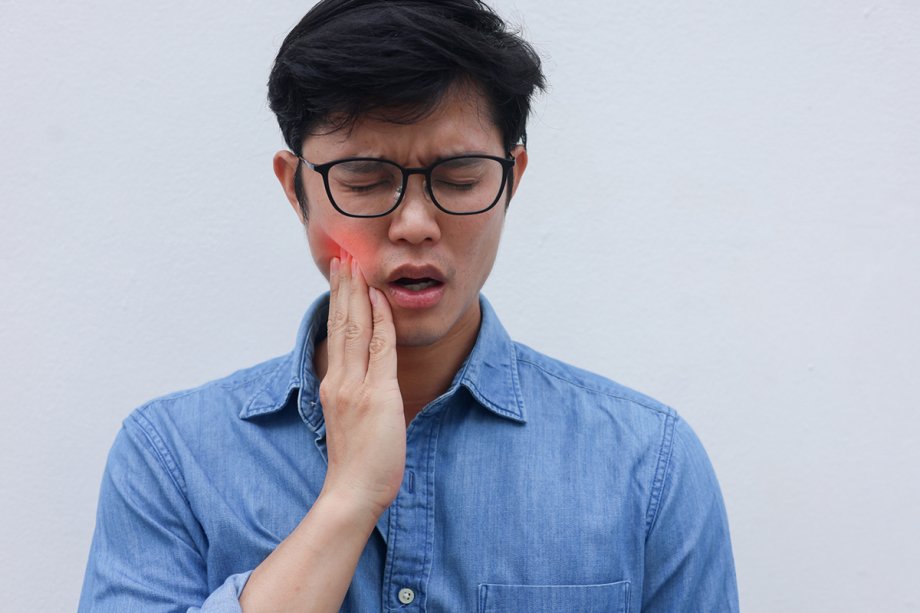
When a splitting headache or a persistent migraine strikes, we often reach for pain relievers and look for a quiet, dark room. We might blame stress, lack of sleep, or diet. However, we frequently overlook a significant culprit that is hiding in plain sight: the jaw. The intricate system of muscles, ligaments, and joints that allows you to talk, chew, and yawn can also be a source of debilitating pain that radiates far beyond the jaw itself. This condition is known as temporomandibular joint disorder, or TMD.
We see many patients who have suffered from chronic headaches for years without finding a lasting solution. They are often surprised when we suggest their jaw might be the root cause. Understanding the relationship between your temporomandibular joint (TMJ) and head pain is the first step toward finding effective, long-term relief. We want to explore this connection, explain how jaw dysfunction can trigger severe headaches and migraines, and discuss how targeted treatment can help you reclaim a pain-free life.
Understanding the Temporomandibular Joint
To understand how your jaw can cause such widespread discomfort, we must first examine its anatomy. The temporomandibular joint is one of the most complex joints in your body. You have one on each side of your face, connecting your jawbone (mandible) to your skull's temporal bones. These joints function like sliding hinges, but they also enable complex movements, including up, down, and side-to-side motions. A soft cartilage disc within each joint socket absorbs shock and helps everything move smoothly.
When this intricate system is out of balance, it can lead to TMD. The causes are varied. They can range from arthritis or a jaw injury to chronic teeth grinding (bruxism) or a misaligned bite. When the muscles responsible for moving the jaw become overworked or inflamed, they can trigger a chain reaction of pain. These muscles are interconnected with other major muscle groups in your head, face, and neck. Therefore, tension that starts in the jaw rarely stays there. It often radiates outward, presenting as symptoms you might not immediately associate with a dental issue.
The Role of Muscle Tension and Inflammation
Overworked jaw muscles are a primary driver of TMJ-related headaches. When you clench your jaw or grind your teeth, especially during sleep, your jaw muscles remain in a constant state of contraction. This sustained tension creates trigger points—tight, painful knots within the muscle tissue. These trigger points not only cause localized pain but also refer pain to other areas. The temporalis muscle, a large, fan-shaped muscle on the side of your head, is one of the main muscles used for chewing. When it becomes tense from TMD, it can directly cause pain that feels exactly like a tension headache.
This constant muscle activity also leads to inflammation. Inflamed jaw muscles and joints put pressure on nearby nerves and blood vessels. This pressure can disrupt normal blood flow and trigger the signals that your brain interprets as a throbbing headache or migraine. For people already prone to migraines, the added strain from TMD can increase the frequency and severity of their attacks. We find that addressing the underlying muscle tension is key to breaking the cycle of pain and providing lasting relief.
The Nerve Connection: How Jaw Pain Travels
The trigeminal nerve is a critical piece of the TMJ-headache puzzle. As the largest cranial nerve, it has three main branches that provide sensation to your entire face, including your forehead, cheeks, and jaw. It also controls the muscles used for chewing. Significantly, the sensory fibers of the trigeminal nerve are heavily involved in the development of migraines. When the TMJ is inflamed or malfunctioning, it irritates this nerve.
This irritation sends a flood of pain signals along the nerve pathways to the brain. The brain can have difficulty distinguishing the exact source of the pain, often interpreting signals from the jaw as pain originating from the head. This phenomenon is known as referred pain, which explains why a problem in your jaw joint can manifest as a migraine behind your eyes or a tension headache across your forehead. By stabilizing the jaw and reducing inflammation, effective TMJ treatment can calm the trigeminal nerve and prevent these pain signals from reaching their source.
Finding Relief and Restoring Balance
The good news is that you do not have to live with chronic headaches caused by TMD. The first step toward relief is getting an accurate diagnosis from a professional experienced in treating jaw disorders. We conduct a thorough examination that includes checking the joints and muscles for tenderness, listening for clicking or popping sounds during jaw movement, and assessing your bite alignment. In some cases, we may use advanced imaging to get a clear picture of the joint's condition.
Once we identify the root cause of your TMD, we develop a personalized treatment plan tailored to your specific needs. This plan may involve a combination of therapies. Custom-made oral appliances, also known as splints, are often highly effective in addressing dental issues. Worn at night, these devices prevent teeth grinding and reposition the jaw into a more relaxed and stable position, allowing the muscles to heal. Other therapies may include physical therapy to stretch and strengthen the jaw muscles, stress management techniques to reduce clenching, or bite correction to address alignment issues. Our goal is to restore harmony to your jaw system, thereby eliminating the trigger for your headaches.
Frequently Asked Questions About TMJ Treatment
Can TMJ disorder cause dizziness and earaches?
Yes, absolutely. The TMJ is located very close to the ear canal. Inflammation and tension in the jaw joint can affect the Eustachian tube, leading to a feeling of fullness, ringing in the ears (tinnitus), or even dizziness and vertigo. By treating the underlying jaw issue, we often see these related symptoms resolve as well.
Is surgery the only option for severe TMJ pain?
No, surgery is rarely the first option and is reserved for only the most severe cases. We prioritize conservative, non-invasive treatments first. The vast majority of our patients find significant relief through custom oral appliances, physical therapy, and lifestyle adjustments. We constantly explore these effective methods before considering more invasive procedures.
At San Francisco Dental Wellness, we improve our patients' overall health by addressing the complex relationship between oral health and whole-body wellness. Serving the vibrant San Francisco community, we focus on providing comprehensive and compassionate care. If you are struggling with unexplained headaches or jaw pain, please reach out to us to schedule a consultation.